
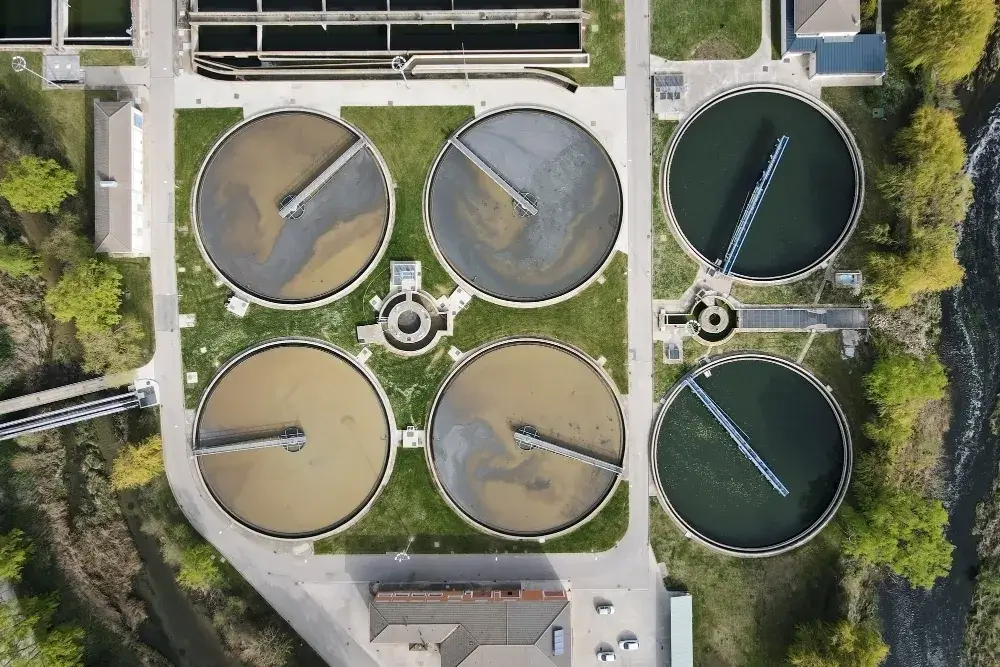
In industrial environments, wastewater treatment is more than just an environmental requirement — it’s a critical component of operational efficiency, compliance, and long-term sustainability. Whether you're managing a manufacturing facility, processing plant, or industrial park, your Industrial Effluent Treatment System (IETS) must be designed to handle specific contaminants, flows, and discharge requirements.
This article outlines key design considerations when planning an industrial wastewater treatment system in Malaysia — with a focus on functionality, regulatory compliance, and cost control.
1. Understand the Nature of the Effluent
The foundation of any successful IETS begins with a comprehensive characterization of the wastewater.
Key parameters include:
- Biochemical Oxygen Demand (BOD)
- Chemical Oxygen Demand (COD)
- Total Suspended Solids (TSS)
- Oil & Grease (O&G)
- pH and temperature
- Heavy metals or specific contaminants (e.g., ammonia, phenols, cyanide)
Different industries produce different wastewater profiles. For example:
- Food processing: High in BOD and fats/oils
- Textile: High in color, pH imbalance, and chemical load
- Electronics: May contain metals and toxic compounds
A detailed lab analysis is necessary to determine treatment needs and system sizing.
2. Regulatory Compliance: DOE and EQA 1974
In Malaysia, all industrial wastewater discharge is regulated under the Environmental Quality Act (EQA) 1974, enforced by the Department of Environment (DOE).
Key regulatory requirements:
- Effluent must meet Standard A or B, depending on receiving water body
- Companies must install and operate an approved IETS
- Scheduled environmental monitoring and reporting must be conducted
- Licensing or notification to DOE before system installation or upgrade is required
Failing to comply can result in:
- Hefty fines
- Legal action
- Project approval delays
- Operational shutdowns
3. Design for Flow Variation and Peak Loads
Industrial wastewater is rarely uniform. Flows and pollutant loads can vary throughout the day or week depending on production cycles.
Designing a system that accounts for:
- Peak flow rates
- Shock loads of pollutants
- Idle or maintenance periods
...ensures stability and avoids system failure or environmental breaches. Equalization tanks are often used to buffer fluctuations before treatment.
4. Modular and Scalable System Design
Businesses grow, processes change — so should your treatment system. A well-planned IETS should be modular and scalable.
This means:
- The ability to add new units without major reconstruction
- Flexible process flow adjustments (e.g., bypass, recycle loops)
- Component redundancy for maintenance (e.g., dual blowers or pumps)
Scalability ensures long-term value and allows upgrades to meet new standards or production changes.
5. Selecting the Right Treatment Technology
The treatment process should match the effluent characteristics and site conditions. Common technologies include:
- Physical Treatment: Screening, grit removal, sedimentation
- Chemical Treatment: pH adjustment, coagulation-flocculation, oxidation
- Biological Treatment: Aerobic (e.g., activated sludge, MBBR), anaerobic (e.g., UASB, digesters)
- Advanced Treatment: Membrane filtration (MBR/UF/RO), activated carbon, ozone
Each has pros and cons based on:
- Space constraints
- Capital vs operational costs
- Discharge standards
- Operator skill level
An experienced consultant will evaluate these factors to determine the most cost-effective and compliant setup.
6. Automation and Instrumentation
Modern IETS systems benefit greatly from automation and real-time monitoring. This includes:
- SCADA or PLC systems for remote control
- Online sensors for pH, DO, turbidity, and flow
- Alarm systems for abnormal parameters
Automation not only improves operational consistency but also reduces human error and supports documentation for compliance reporting.
7. Operation, Maintenance & Manpower Requirements
Even a well-designed system can fail without proper operation and maintenance (O&M).
During design, consider:
- Ease of access for cleaning and repair
- Training level of available personnel
- Spare part availability
- Ongoing O&M costs
Consultants should provide Standard Operating Procedures (SOPs) and post-commissioning training for your technical team.
8. Cost Considerations: CAPEX vs OPEX
The total lifecycle cost of an IETS includes both Capital Expenditure (CAPEX) and Operational Expenditure (OPEX).
- CAPEX: Initial equipment, civil works, design fees
- OPEX: Electricity, chemicals, maintenance, manpower
Design decisions — such as energy-efficient blowers, gravity-fed layouts, or chemical dosing controls — can greatly influence long-term cost efficiency.
A common mistake is under-budgeting for operational costs, which may lead to system neglect and regulatory non-compliance.
9. Post-Treatment Options: Sludge Management and Reuse
Industrial treatment systems generate sludge and by-products that must be handled responsibly.
Consider:
- Dewatering systems (e.g., filter press, decanter)
- Scheduled removal and disposal by licensed contractors
- Safe handling and storage infrastructure
In some industries, treated effluent can be reused for non-potable purposes like cooling towers, washing bays, or landscaping — reducing water bills and supporting sustainability goals.
10. Documentation, Licensing, and DOE Submissions
A complete IETS project includes:
- Engineering drawings
- Hydraulic calculations
- Process flow diagrams
- DOE Form C or other submission documents
- Effluent discharge licenses
Working with a licensed consultant ensures all submissions are properly prepared and approved, avoiding costly project delays.
Conclusion
Designing an industrial wastewater treatment system is a complex process that requires balancing compliance, efficiency, budget, and operational feasibility. By thoroughly understanding your effluent characteristics, planning for future growth, and choosing the right technology — you can ensure your facility meets environmental standards while supporting business continuity.
Whether you're upgrading an existing system or planning a new one, working with an experienced engineering partner like Aryour helps streamline the process and avoid costly mistakes.